Town Halls That Work: A Field Report from Five Communities Where Conservative Governance Delivers
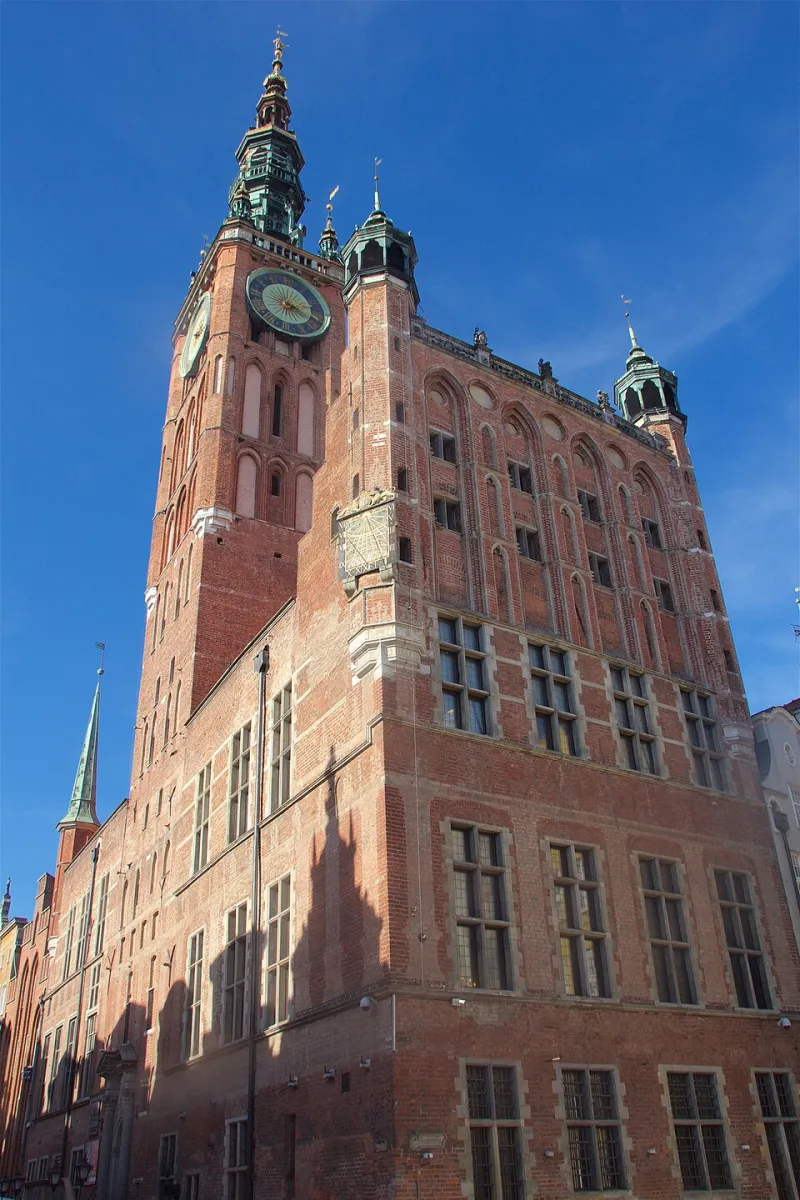
Photo: Photograph by Mike Peel (www.mikepeel.net)., CC BY-SA 4.0, via Wikimedia Commons
Spend enough time listening to the national media and you will absorb a quiet premise: the future is invented in big cities, and small towns merely endure it. It is a flattering story for the metropolitan class and a false one. Consider what is actually happening in the county seats and crossroads communities where conservative boards run the government closest to the people.
We took a look at five of them. What follows is less a travelogue than a field report — evidence that the principles conservatives defend in theory work in practice, at the level of government citizens can actually attend a meeting of.
Lesson One: Balanced Budgets Are a Choice, Not a Miracle
In a farming community of roughly 8,000 in the upper Midwest, the city council has passed balanced budgets for over a decade without gimmicks or one-time fixes. The formula is unglamorous: multi-year capital planning, a healthy rainy-day fund, and a standing rule that recurring spending must be matched by recurring revenue. The town's property tax rate has held steady even as neighboring jurisdictions raised levies.
The lesson is not that small towns possess secret knowledge. It is that fiscal discipline is a policy choice, available to any government that decides debt is not a strategy.
Lesson Two: Permitting Reform Moves at the Speed of Trust
A fast-growing suburb outside a major Texas metro made national news in conservative policy circles by cutting its average building-permit timeline from months to days. The mechanism was simple: pre-approved plan sets for common home designs, a single point of contact for applicants, and a fee schedule published in plain language on the town website.
The result was a housing supply that grew without a single subsidy program. Builders came because the rules were predictable. Families came because the houses were affordable. No blue-ribbon commission required — just a government that treated its own processes as the problem worth solving.
Lesson Three: Public Safety Is a Foundation, Not a Debate
In a small city in the Southeast, the council made a deliberate decision to fund its police department to full authorized strength, add a school resource officer at every public campus, and pair enforcement with a volunteer-based community watch the churches helped organize. Violent crime there remains a fraction of the national average, and the department reports waiting lists for job applicants — a rarity in modern policing.
The deeper lesson concerns priorities. This council treated safe streets the way other governments treat pet projects: as the thing everything else depends on. Businesses followed. Families followed. The tax base followed.
Lesson Four: Schools Answer to Parents — and Thrive For It
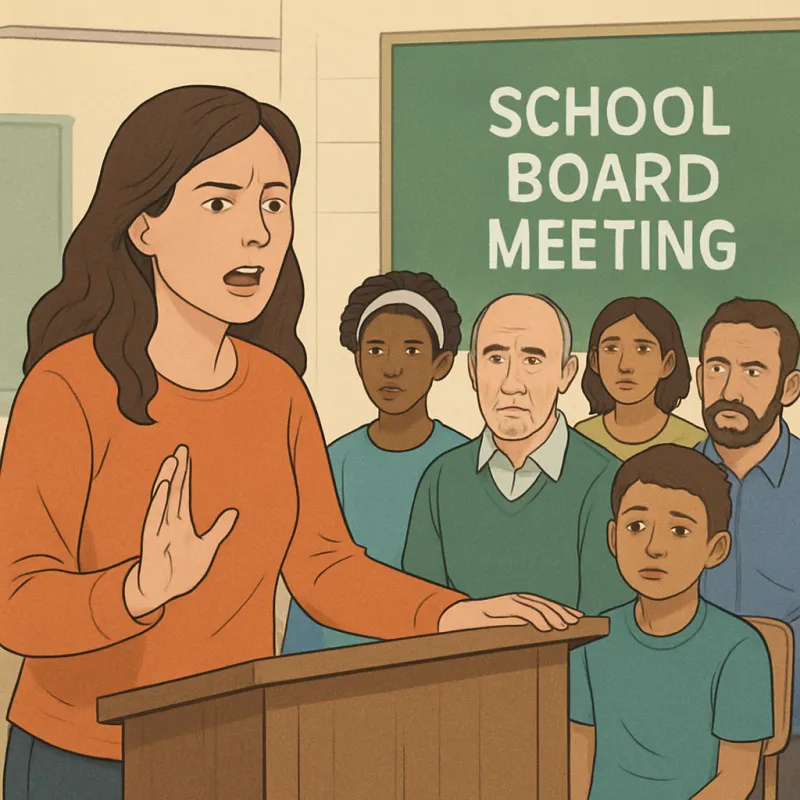
A township in the rural Midwest made headlines in state education circles when its school board adopted a transparent curriculum policy: instructional materials available for parental review, a public portal for budget line items, and board meetings structured so that public comment comes first, not last. Enrollment, which had been declining for years, stabilized and then grew as families who had left for private or home education began returning.
This is the quiet education reform that rarely makes national coverage. Not a dramatic fight, but a restoration of the basic bargain: public schools serve the families who fund them, and accountability begins with sunlight.
Lesson Five: Localism Is the Conservative Laboratory
Perhaps the most important lesson comes from what all five towns share. None is a utopia. All face the pressures of inflation, workforce shortage, and a federal government that keeps expanding its reach into zoning, energy, and education. What distinguishes them is that they treat self-government as a working craft — budgets read line by line, ordinances kept short enough for a citizen to understand, and meetings held at hours working people can attend.
Conservatives sometimes lose the argument about the future by ceding the word 'innovation' to those who think it means a bigger administrative state. But the real innovation in American governance is happening in places like these: permitting reform that actually builds housing, budget discipline that actually holds, school transparency that actually wins back parents. The ideas scale. The question is whether statehouses and Washington will pay attention.
The Counter-Narrative, Written in Ledger Lines
There is a reason progressives find small-town conservatism so irritating. It cannot be dismissed as rhetoric, because it shows up in audited financial statements and crime statistics and enrollment figures. It cannot be called backwards, because these communities are, by the measures that matter to families — safety, affordability, functioning schools — outperforming their larger neighbors.
Five towns cannot settle every national argument. But they can settle one: conservative governance is not a nostalgic slogan. It is a working model, proven every day in the places America forgets to look — until it needs them.