The Sleeping Giant in the County Seat: How Small-Turnout Rural Precincts Could Redraw the Political Map
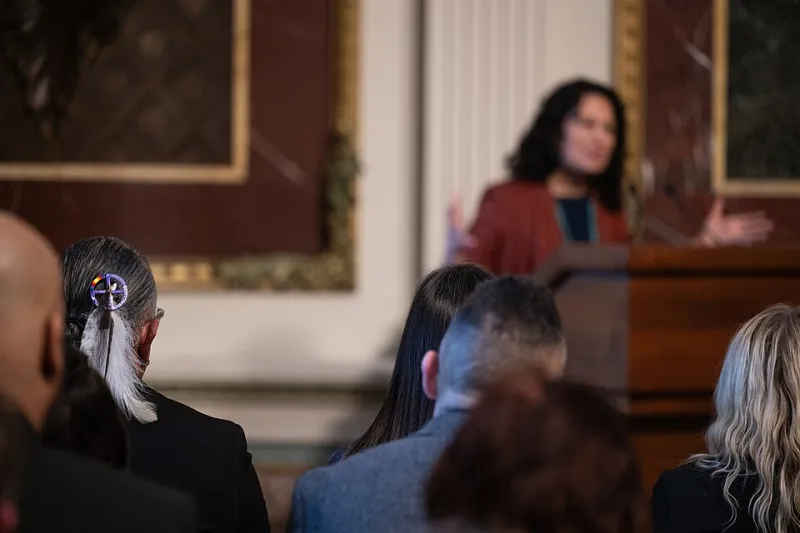
Photo: USDAgov, Public domain, via Wikimedia Commons
Political commentators love to talk about the rural-urban divide as though it were a settled feature of the landscape, like a mountain range. It is not. The divide is not merely a difference in how rural and urban Americans vote — it is a difference in how many of them vote at all. And that difference is where elections are quietly won and lost.
Look at the turnout data from counties with populations under 50,000 and a pattern emerges that should alarm every conservative operative in America. In a typical midterm, registration rates in these counties lag urban and suburban areas by several points, and turnout among those registered lags further still. The voters are there. They hold conservative views on schools, gun rights, property taxes, and the dignity of local work. Many of them simply never filled out a registration form, because nobody ever asked.
The Math That Should Keep Chairmen Awake
Consider a single state legislative district drawn across three or four rural counties. In each county, suppose 15 to 20 percent of eligible adults are unregistered — a figure consistent with census and state voter-file data for low-population counties across the Midwest, the Plains, and Appalachia. In a county of 30,000 adults, that is several thousand potential voters. Across a district, it can exceed the margin that separated the last two general elections.
This is not a theoretical exercise. State legislative chambers in states like Iowa, Kansas, Montana, and New Hampshire are decided by narrow majorities, and those majorities determine congressional maps, election law, education policy, and the Second Amendment posture of the state. A few hundred additional votes in a handful of rural precincts is not a rounding error. It is the ballgame.
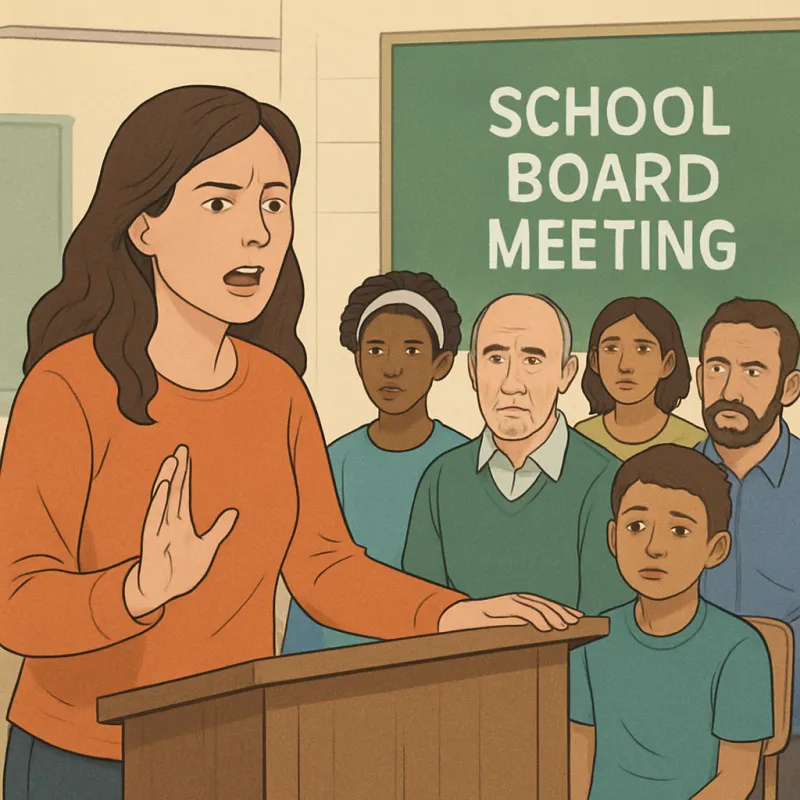
The educational dimension matters here too, and it is why this belongs in the civic-education conversation rather than merely the campaign one. Civic participation is a learned habit. In communities where the local newspaper closed, where the Grange hall stands empty, and where the school board meeting is the only public forum left, the habits of self-government atrophy. Registration drives, done right, are civic education by another name.
A Roadmap the County Party Can Afford
The good news is that this is the rare political project with a budget a county party can actually meet. The playbook looks like this.
First, pull the state voter file and cross-reference it against utility records, hunting and fishing license rolls, and property tax rolls. This produces a walkable list of likely unregistered, conservative-leaning households — the hunting license cross-check alone is remarkably productive in rural counties.
Second, deploy the most trusted messengers available: pastors, 4-H leaders, volunteer fire chiefs, and high school government teachers. A mailer from a state party gets recycled. A word from the man who coaches your son's Legion baseball team gets acted on.
Third, time the effort to natural touchpoints — the county fair, harvest dinners, high school graduation, opening day of deer season. Registration tables at these events cost a folding table and a stack of forms.
Fourth, do not stop at registration. Pair every drive with a plain-language civics session: how a property tax levy works, what the county commission actually decides, when the school board meets. Voters who understand the machinery show up for it.
Fifth, close the loop. A registered voter who receives no follow-up reverts to a nonvoter. The final two weeks before the election belong to personal contact — a door knock, a phone call from a neighbor, a reminder about early voting windows.
The Long Game
Skeptics will note that registration drives are unglamorous, and they are right. There is no press conference for registering forty voters at the feed store. There is only a state senate seat that flips by three hundred votes, a redistricting plan that holds, a school curriculum that stays in the hands of local parents.
The progressive left has spent two decades building registration infrastructure in urban centers and on college campuses. Rural conservative America has been the side of the ledger left to its own devices — and its own devices have produced a persistent participation gap that shows up in every close election in every heartland state.
The remedy is not complicated, expensive, or novel. It is neighbors asking neighbors to take the first step of citizenship. The county seat is where it starts, and the next midterm is the deadline.