Plug In and Prosper: The Statehouse Blueprint for a Reliable American Grid
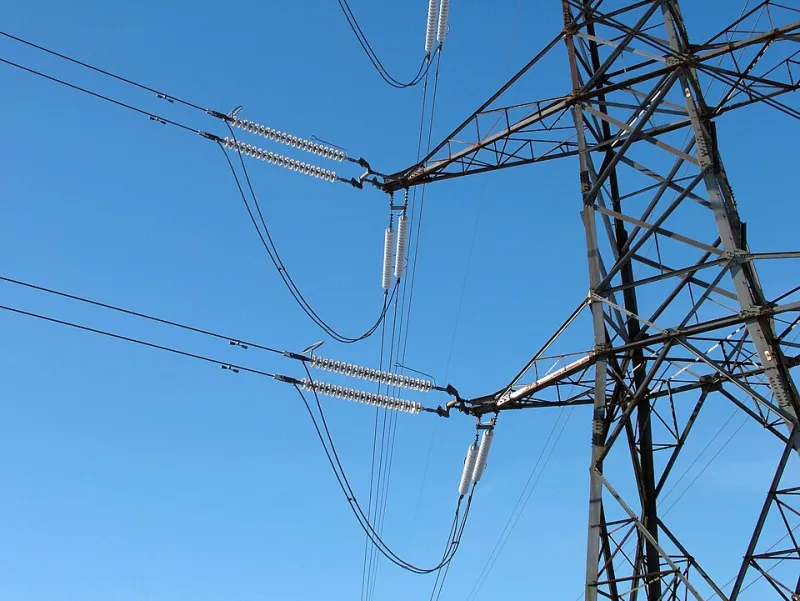
Photo: Stephen Burton , CC BY-SA 2.0, via Wikimedia Commons
For a decade, the national energy conversation has been conducted in the language of summitry: Paris accords, federal mandates, bureaucratic timelines stretching to 2050. Meanwhile, in state capitols from Texas to Georgia to Utah, something far more consequential has been happening. Officials with actual authority over actual electrons have been rebuilding the systems that keep American homes warm, hospitals running, and factories humming.
The results should humble anyone in Washington who believes the Department of Energy can legislate reliability from a conference room.
Texas: Permitting Reform Meets Abundant Supply
Start with Texas, where the Legislature has spent three sessions attacking the problem regulators elsewhere refuse to acknowledge: it takes too long to build anything. The state has streamlined interconnection studies for new generation, expanded its dispatchable power incentive programs after the near-miss of Winter Storm Uri, and pressed the Public Utility Commission to demand weatherization that actually gets verified rather than merely promised.
The Texas approach is not anti-renewable. It is anti-unreliable. Wind and solar have their place in the ERCOT mix, but the state has made a deliberate bet that backup capacity—natural gas with on-site fuel, and increasingly, next-generation nuclear—must be paid for and built. That bet is now attracting data centers and manufacturers by the dozens, because the one thing a semiconductor fab cannot tolerate is a blackout.
Georgia and Utah: Two Paths to the Same Principle
Georgia offers a different lesson. Through the legislature's oversight of Georgia Power's integrated resource plans, the state has expanded nuclear capacity at Vogtle—now the largest generator of clean baseload power in the country—while maintaining ratepayer protections through public scrutiny rather than federal dictate. The result is an energy profile that draws industry without imposing austerity.
Utah, meanwhile, has pursued what might be called resource honesty. State law now treats its own coal, gas, and uranium endowments as assets to be managed, not liabilities to be apologized for. Legislators have funded nuclear permitting partnerships with private developers, cut the red tape on in-state mineral development, and told federal land managers—politely but firmly—that multiple-use mandates mean something.
Three states, three strategies. One shared premise: the people closest to the grid understand it better than the people furthest from it.
Why This Wins at the Kitchen Table
Conservatives sometimes talk about energy in the abstract—jobs, GDP, strategic autonomy. All true, all important. But the political power of energy federalism is simpler than that. It shows up on a monthly statement.
Households in states that prioritize abundant generation and reliability mandates pay materially less for electricity than households in states that have layered on carbon regimes and capacity retirements before replacement was ready. When a family in Ohio or Nevada compares bills with a cousin in California or New England, the difference isn't an abstraction. It's a grocery run.
That's why the winning conservative message is not "drill, baby, drill" alone, and certainly not a lecture on climate science in either direction. It is this: your state can produce more, charge less, and keep the lights on—without asking permission from a federal bureaucracy that has never met a payroll in your county.
What Washington Should Learn—and Mostly Won't
There are legitimate federal roles here: interstate transmission, national security fuels, basic research. But the last several Congresses have treated energy policy as an exercise in subsidy design, and the results—interconnection queues stretching years, permitting timelines measured in decades—speak for themselves.
The reform agenda conservatives should press nationally is modest and familiar: fix the permitting statutes, modernize the Nuclear Regulatory Commission's licensing backlog, and stop penalizing baseload generation in capacity markets. Beyond that, the wisest thing Washington can do is what it does worst—get out of the way.
The states have already written the playbook. The only question is whether the rest of the country reads it before the next blackout does the explaining for them.