The Courthouse Gatekeeper: Your County’s Real Law-and-Order Election
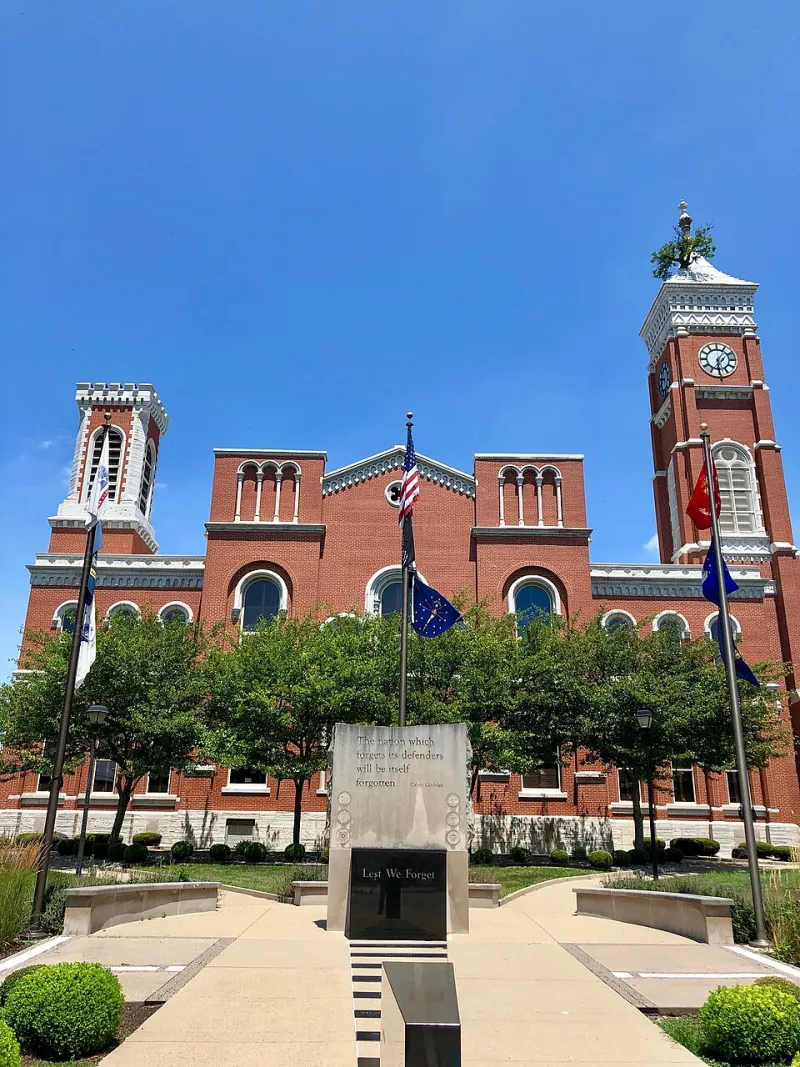
Photo: Warren LeMay from Cullowhee, NC, United States, CC0, via Wikimedia Commons
The sheriff gets the flashing lights, the jail, and the evening news. The district attorney gets the courthouse, the charging decisions, and the quiet power to decide what the law actually means in a county. That is why the most consequential law-and-order election on many local ballots is not always the one with the biggest yard signs. It is the prosecutor’s race.
In most jurisdictions, the district attorney is an elected local official. The job is not merely to try cases. The prosecutor decides whether to charge, what to charge, whether to seek bail, what plea to offer, and which cases to divert. He sets priorities for the office. He decides whether repeat offenders are treated as a nuisance or a threat. He decides whether victims are listened to or processed. The sheriff enforces the law; the prosecutor chooses which enforcement becomes prosecution.
Who Decides What the Law Means
That discretion is not a flaw in the system. It is part of the design. A prosecutor must be able to weigh evidence, resources, and local conditions. Not every arrest should become a felony count. Not every first-time mistake should ruin a life. But discretion becomes a problem when it hardens into ideology—when an elected prosecutor decides in advance that entire categories of crime will not be charged, that bail will not be sought, or that diversion is the answer regardless of the danger to the community.
In recent years, a wave of progressive prosecutors has tested that boundary. Some have announced policies of non-prosecution for certain offenses. Some have refused to seek cash bail in broad classes of cases. Some have treated charging guidelines as suggestions and public safety as a secondary concern. Not every reform prosecutor is a radical, and not every traditional prosecutor is beyond criticism. But the trend has made one thing clear: the prosecutor’s office is a policy-making institution in practice, whether or not it admits it.
The Quiet Rise of the Progressive Prosecutor
The progressive prosecutor movement did not emerge by accident. It was built by organized donors, activist networks, and low-turnout elections. Its candidates often run in off-years, when many voters are focused on national politics and local ballots go unfinished. They talk about mass incarceration and racial equity. They promise to reduce prison populations. They win with a fraction of the county’s registered voters and then govern with enormous discretion.
Conservatives should not respond by pretending the office is unimportant. They should respond by contesting it. The prosecutor’s race is a local election, and local elections are where organized citizens can still move outcomes. A church group, a victims’ advocacy organization, a sheriffs’ association, a group of small-business owners, and a handful of informed neighbors can change the conversation in a county of fifty thousand people.
Why These Races Stay Under the Radar
Part of the problem is information. Voters often know the sheriff’s name and the mayor’s name, but not the prosecutor’s. The race is lower on the ballot. Media coverage is thin. Candidate forums are sparsely attended. Incumbents have the advantage of a title and a professional network. Challengers struggle to raise money.
That is changing. Conservative groups are producing prosecutor scorecards. Victim advocates are asking candidates directly about charging priorities. Local newspapers and radio shows are beginning to treat the race as the consequential contest it is. The message is simple: if you care about crime, care about who decides which crimes are prosecuted.
What a Law-and-Order Prosecutor Can Do
A law-and-order prosecutor is not a caricature. He is a professional who takes violent crime seriously, treats repeat offenders seriously, and understands that victims are not an inconvenience. He can prioritize domestic violence, child exploitation, drug trafficking, and organized retail theft. He can work with police to build cases that hold up in court rather than chase headlines. He can insist on transparency in charging data and office performance.
He can also be smart about diversion. The point is not to imprison everyone. The point is to distinguish between a young person who needs a firm wake-up call and a predator who needs to be off the streets. A prosecutor who refuses to make that distinction is not reforming justice. He is abandoning it.
The Conservative Case for Local Accountability
The conservative argument for prosecutor accountability is not a call for federal intervention. It is a call for local responsibility. County prosecutors are elected for a reason. They answer to the people they serve. When they refuse to enforce the law, the remedy is not a task force in Washington. The remedy is a informed electorate, a serious challenger, and a courthouse culture that respects both due process and public safety.
That means conservatives should put prosecutor races on their calendars. They should read the candidate questionnaires. They should attend the forums. They should ask about bail, charging policies, victim services, and office transparency. They should not assume that the sheriff’s race is the only law-and-order election that matters.
The courthouse gatekeeper is powerful because he is quiet. The answer is to make him answerable. In a republic, that is not an attack on prosecutors. It is the ordinary work of citizenship.